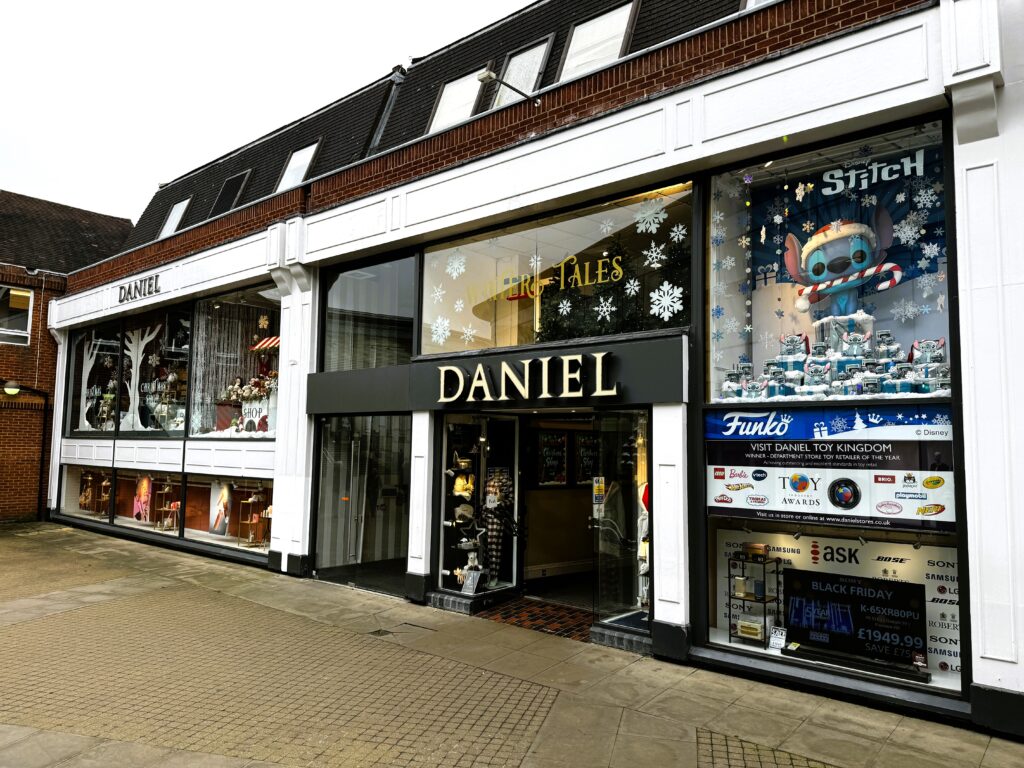
A POS design agency creates custom point of sale displays that grab shopper attention and drive impulse purchases. Research shows these displays can boost product sales by up to 140%. This guide covers everything you need to know: costs, timelines, benefits, and how to choose the right agency for your brand. Explore our services at Creators & Makers or get in touch for a free quote.
Table of Contents
- What Is a POS Design Agency?
- How Does a POS Design Agency Work?
- How Much Does POS Design Cost in the UK?
- Is Hiring a POS Design Agency Worth It?
- Top 10 Benefits of Working with a POS Design Agency
- What Are Common Mistakes to Avoid with POS Displays?
- Which POS Display Type Is Right for Your Brand?
- How Long Does a POS Project Take?
- Retail Display Trends for 2026
- FAQs About POS Design Agencies
A POS design agency helps brands create eye catching displays that sit at the point of sale in retail stores. These specialists design, build, and install custom displays that make products stand out when shoppers are ready to buy.
Here is the thing. Research from POPAI shows that 82% of purchasing decisions happen in store. That means the way your products look on the shop floor can make or break a sale.
You might be wondering if professional display design is worth the investment. The short answer: yes. Brands using well designed POS displays report sales increases of up to 140% compared to those without them.
This guide will walk you through everything you need to know about working with a POS design agency in the UK. We will cover costs, timelines, benefits, and the latest trends for 2026.
What Is a POS Design Agency?
A POS design agency is a specialist company that creates custom displays for retail environments. POS stands for Point of Sale, which is the area where customers make their final purchase decision, usually near the till or checkout.
These agencies handle the full process. They design creative concepts, build prototypes, manufacture the displays, and often install them in stores across the country.
What Types of Displays Do POS Agencies Create?
POS agencies work with many different display formats:
- Free Standing Display Units (FSDUs): Tall floor displays that hold products and catch attention from a distance
- Countertop Display Units (CDUs): Smaller displays that sit on checkout counters for impulse buys
- Shelf Talkers: Small signs that attach to shelves to highlight products
- Window Displays: Branded installations that draw shoppers into stores
- Pop Up Shops: Temporary retail spaces for product launches and events
- Digital Screens: Interactive displays with video and touchscreen features
At Creators & Makers, we specialise in all these display types. Our production services cover everything from temporary cardboard displays to permanent fixtures.
How Does a POS Design Agency Work?
Working with a POS design agency follows a clear process. Most agencies use a similar step by step approach to take your project from idea to installation.
The 6 Step POS Design Process
1. Brief and Consultation
You share your goals, budget, and timeline. The agency asks questions about your brand, target audience, and retail environment.
2. Concept Creation
Designers develop initial ideas. This includes sketches, mood boards, and rough concepts for you to review.
3. Design Development
The chosen concept gets refined. You will see detailed 2D graphics and 3D visuals showing exactly what the final display will look like.
4. Prototyping
A physical sample gets built. This lets you check the size, materials, and construction before committing to full production.
5. Production and Manufacturing
Once approved, your displays go into production. Good agencies manufacture in the UK to ensure quality control and faster turnaround.
6. Fulfilment and Installation
The finished displays get packed, shipped, and often installed by the agency team. Some agencies also offer warehousing and stock management.
Our creative design team follows this exact process. We also offer fulfilment services with 30,000 square feet of warehouse space for assembly, storage, and distribution.
How Much Does POS Design Cost in the UK?
This is the question everyone asks first. The honest answer: it depends on what you need.
POS display costs vary based on size, materials, complexity, quantity, and timeline. Here is a realistic breakdown of UK pricing:
| Display Type | Typical UK Cost | Best For |
|---|---|---|
| Countertop Displays (CDUs) | £200 to £1,500 | Impulse items near tills |
| Free Standing Units (FSDUs) | £500 to £3,000 | Product launches, promotions |
| Permanent Fixtures | £2,000 to £15,000 | Long term brand presence |
| Pop Up Shop Fit Out | £5,000 to £30,000 | Events, seasonal campaigns |
| Full Campaign Rollout | £10,000 to £50,000+ | National retail rollouts |
What Factors Affect POS Design Costs?
- Materials: Cardboard is cheapest. Acrylic, metal, and wood cost more but last longer.
- Complexity: Simple flat designs cost less than 3D structures with moving parts or lighting.
- Quantity: Ordering 500 units is much cheaper per unit than ordering 50.
- Timeline: Rush jobs cost more. Plan ahead to save money.
- Installation: Self assembly displays cost less than those needing professional installation.
Is Hiring a POS Design Agency Worth It?
Let us look at the numbers. If a well designed display increases sales by even 20%, that quickly covers the investment.
According to research from Nielsen, 68% of consumers have bought a product simply because signage caught their attention. That is a huge opportunity sitting on shop floors.
When Should You Hire a Specialist Agency?
- You are launching a new product and need maximum impact
- Your brand needs to stand out in competitive retail spaces
- You need displays that meet specific retailer compliance requirements
- You want a national rollout across multiple stores
- You lack in house design and manufacturing capabilities
When Might DIY Work Instead?
- Very small budgets under £200
- Simple shelf talkers or basic signage
- Testing concepts before a larger investment
Top 10 Benefits of Working with a POS Design Agency
Here are the key advantages of partnering with a specialist agency:
1. Expert Shopper Psychology
Agencies understand how people shop. They know which colours grab attention, where eyes naturally look, and what triggers impulse purchases.
2. Retailer Compliance Knowledge
Major retailers like Tesco, Sainsbury’s, and Boots have strict display guidelines. Agencies know these rules and design displays that get approved.
3. Material Expertise
The right material makes all the difference. Agencies know which substrates work best for different environments, weights, and durations.
4. Manufacturing Relationships
Good agencies have established production partners. This means better prices, faster turnaround, and consistent quality.
5. Installation Support
Many agencies offer nationwide installation teams. They ensure displays go up correctly and on time.
6. Brand Consistency
A specialist agency ensures your in store presence matches your wider branding. Everything looks cohesive and professional.
7. Faster Turnaround
Experience means efficiency. Agencies have refined processes that deliver projects quicker than starting from scratch.
8. Scalability
Need 10 displays or 10,000? Agencies can scale production to match your requirements.
9. Measurement and Analytics
Some agencies help track performance. You can see exactly how displays affect sales and shopper behaviour.
10. Competitive Advantage
Professional displays simply look better. They help your products outshine competitors on the same shelf.
What Are Common Mistakes to Avoid with POS Displays?
After 16 years in the industry, we have seen these errors come up again and again:
Mistake 1: Ignoring Retailer Specifications
Every major retailer has different rules about display sizes, materials, and placement. A display that works in Tesco might get rejected by Asda. Always check compliance guidelines before designing.
Mistake 2: Choosing the Wrong Materials
Cardboard displays in a freezer aisle will not last long. Lightweight materials near store entrances might blow over. Match your materials to the environment.
Mistake 3: Cluttered Messaging
Shoppers have seconds to process information. If your display has too much text or too many competing messages, nothing stands out. Keep it simple and focused.
Mistake 4: Poor Placement Planning
The best designed display means nothing if it ends up in a low traffic area. Work with retailers to secure prime positions.
Mistake 5: Not Measuring Results
Without tracking, you will never know what works. Set up ways to measure sales lift before, during, and after display campaigns.
Which POS Display Type Is Right for Your Brand?
Different displays suit different goals. Here is a quick guide to help you choose:
| Display Type | Duration | Best Use | Timeline |
|---|---|---|---|
| CDU | 4 to 12 weeks | Till point impulse | 4 to 6 weeks |
| FSDU | 8 to 16 weeks | Product launches | 6 to 10 weeks |
| Permanent Fixture | 1 to 5 years | Brand partnerships | 10 to 16 weeks |
| Pop Up Shop | Days to months | Events, campaigns | 8 to 12 weeks |
How Long Does a POS Project Take?
Project timelines depend on complexity. Here is what to expect:
Simple Projects: 4 to 6 Weeks
Basic countertop displays, shelf talkers, and simple printed materials can be turned around quickly. These usually involve straightforward designs with standard materials.
Standard Projects: 8 to 12 Weeks
Most FSDU projects, custom displays, and multi unit orders fall into this category. There is time for proper design development, prototyping, and production.
Complex Projects: 12 to 16+ Weeks
Large scale rollouts, bespoke permanent fixtures, or displays with special features like lighting and digital elements need more time. Rush jobs are possible but will cost extra.
Top tip: Plan seasonal campaigns well in advance. Christmas displays should be briefed by August at the latest.
Retail Display Trends for 2026
The retail display industry is evolving fast. Here are the key trends shaping POS design this year:
Sustainability Takes Centre Stage
Shoppers care about the environment, and retailers are responding. Displays made from recycled materials, FSC certified card, and reusable modular systems are now the standard rather than the exception. The government’s push for reduced plastic packaging is also affecting display materials.
Hyper Modular Displays
Retailers want flexibility. The big trend for 2026 is displays that can be quickly reconfigured for different products, seasons, or promotions. This reduces waste and allows faster reactions to trends.
Digital Integration
QR codes, NFC chips, and digital screens are becoming common. According to Deloitte research, retailers using digital signage see up to a 32% boost in sales. Expect more hybrid physical and digital displays.
Warm Minimalism
Stark white displays are out. Warm, natural tones and textures are in. Think layered neutrals, soft lighting, and calm aesthetics that feel welcoming rather than clinical.
Data Driven Design
Sensor technology and analytics are helping brands understand how shoppers interact with displays. This data feeds back into better designs and smarter placement strategies.
Frequently Asked Questions About POS Design Agencies
What does a POS design agency do?
A POS design agency creates custom point of sale displays for retail environments. Services include concept design, 3D visualisation, prototyping, manufacturing, and installation. They help brands stand out at the moment shoppers make purchasing decisions.
How much do POS displays cost in the UK?
UK POS display costs vary widely. Countertop units typically range from £200 to £1,500. Free standing displays cost £500 to £3,000. Permanent fixtures range from £2,000 to £15,000. Full campaign rollouts can cost £10,000 to £50,000 or more depending on complexity and quantity.
How long does a POS design project take?
Simple countertop displays take 4 to 6 weeks from brief to delivery. Standard projects like FSDUs need 8 to 12 weeks. Complex campaigns with bespoke elements or large rollouts can take 12 to 16 weeks or longer. Rush projects are possible at additional cost.
Do POS displays actually increase sales?
Yes. Research consistently shows POS displays drive significant sales increases. POPAI research found that 82% of purchasing decisions are made in store. Brands using POS displays report sales increases of up to 140% compared to those without. Even simple signage can boost sales by 20%.
What is the difference between POS and POP displays?
POS (Point of Sale) displays sit near tills and checkout areas to drive last minute impulse purchases. POP (Point of Purchase) displays can go anywhere in a store, including aisles, endcaps, and entrances. Both aim to increase visibility and sales, but POS targets the final buying moment.
Can small businesses afford professional POS design?
Yes. Many POS agencies offer scalable solutions for smaller budgets. Simple countertop displays start from around £200 to £500. Good agencies work within budget constraints and suggest cost effective materials that still deliver impact.
Are cardboard displays less effective than permanent ones?
Not necessarily. Temporary cardboard displays can be highly effective for promotional campaigns, product launches, and seasonal pushes. They are also more cost effective and sustainable. Match display type to your campaign goals and timeline rather than assuming permanent means better.
Conclusion: Making Your Retail Presence Count
Choosing the right POS design agency can transform how your products perform in store. The right partner brings expertise in shopper psychology, materials, manufacturing, and retailer relationships.
Remember the key points:
- POS displays can boost sales by up to 140%
- UK costs range from £200 for simple displays to £50,000+ for major campaigns
- Plan 4 to 16 weeks depending on project complexity
- Sustainability and digital integration are the big trends for 2026
- Avoid common mistakes like ignoring retailer specs and cluttered messaging
At Creators & Makers, we have been helping brands create standout retail displays for over 16 years. Our team handles everything from creative concept to production and fulfilment.
Ready to transform your retail presence? Get in touch with our team for a free consultation. We will discuss your goals, budget, and timeline, then show you how we can bring your vision to life.
Contact us today or explore our case studies to see examples of our work with brands like Disney, Hamleys, and LOL Surprise.