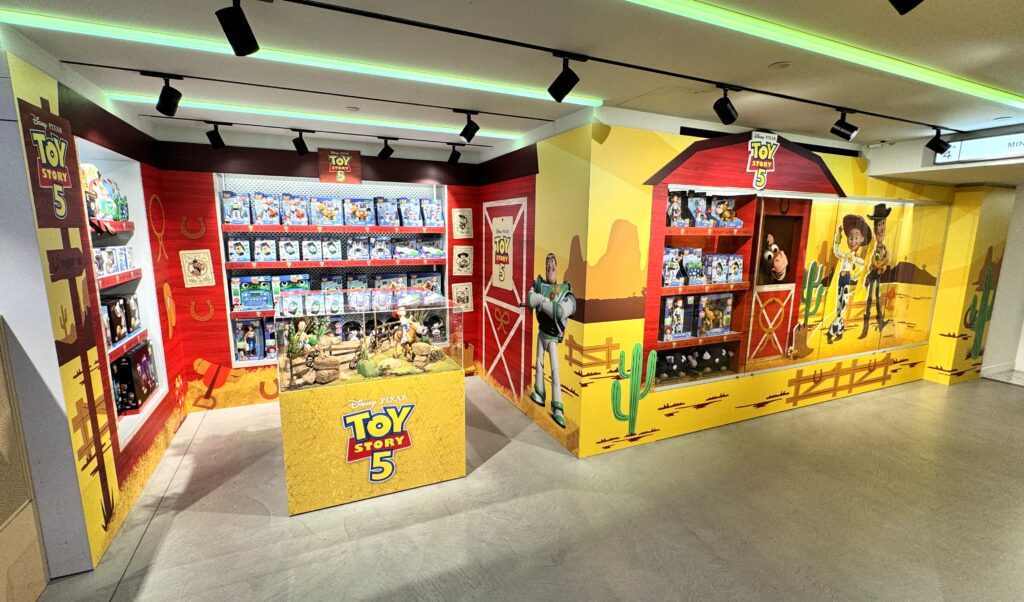
Visual merchandising trends in 2026 are being shaped by a simple reality: fewer people are walking into UK stores, but those who do are spending more. BRC-Sensormatic data from January 2026 shows footfall declined 0.6% year-on-year, extending a run of monthly drops that stretched through much of 2025. Yet ONS figures for the same month recorded a 1.8% rise in retail sales volumes, the largest monthly increase since May 2024.
The message is clear. Every store visit now carries greater commercial weight. Your displays, fixtures and layouts are no longer background decoration. They are active sales tools that influence whether a visitor browses, buys or leaves.
This post breaks down seven visual merchandising trends that are defining UK retail in 2026, with practical guidance on how to apply each one. Whether you manage a single shop or oversee displays for a national brand, these trends will help you turn your retail space into a higher-performing environment.
The defining visual merchandising trends for 2026 are: sustainable materials as baseline, modular display systems, warm minimalism, social-media-ready retail moments, digital and data-driven signage, personalised regional merchandising, and product-focused lighting. Each one reflects a wider shift from passive store design to intentional, commercially accountable retail environments.
1. Sustainable Retail Displays Are Now the Baseline
Sustainability in point of sale design has moved from a differentiator to a minimum expectation. UK consumers increasingly favour retailers who demonstrate environmental responsibility through their physical store environment, not just their marketing.
Recycled acrylics, FSC-certified timber, low-VOC coatings and bio-plastics are replacing single-use synthetic fixtures across the retail sector. According to a 2026 report from Deloitte’s Retail Industry Global Outlook, 96% of global retail executives expect industry revenues to grow this year. A significant portion of that growth hinges on aligning store experience with consumer values, and sustainability sits at the top of that list.
What does this look like in practice? Modular POS displays designed for disassembly and re-skinning between campaigns. Eco-tags and QR codes on fixtures that explain material provenance. Cardboard FSDUs made from fully recyclable corrugated board. The goal is to build sustainability into the design process from the outset, not bolt it on afterwards.
Best Materials for Sustainable POS Displays
- FSC-certified timber and reclaimed wood for structural frames
- Recycled acrylic (such as Recrylic) for transparent display elements
- Recyclable corrugated cardboard for temporary and semi-permanent units
- Bio-plastics derived from plant-based sources
- Low-VOC paints and water-based coatings for finishing
- Modular metal frameworks designed for long-term reuse across multiple campaigns
A specialist POS production team can guide material selection from the brief stage, making sure sustainability is engineered into every fixture rather than treated as an afterthought.
2. Modular Displays That Flex With Your Retail Calendar
Static, single-campaign display builds are becoming a relic. The most commercially effective retailers in 2026 are investing in modular retail displays: systems built from interchangeable components that can be reconfigured for different products, promotions or seasons without starting from scratch.
The commercial logic is straightforward. One well-engineered fixture can serve multiple product lines across an entire year. Swappable graphics panels, adjustable shelving and stackable structures mean your team can refresh a display in minutes, without specialist installers or additional freight costs.
Consider a grid-panel system that holds hooks for accessories today and shelves for boxed products tomorrow. Or a nesting table set that stacks away in seconds when floor space is needed for a queue or event. The flexibility saves money and reduces waste, aligning with the sustainability trend above.
Creators & Makers build modularity into every bespoke POS design through structural CAD design and rigorous prototyping. The result is a display that looks premium on day one and still performs after its fifth reconfiguration.
3. Warm Minimalism Is Replacing Clinical Store Design
Minimalism has shaped retail interiors for years. But in 2026, the stark white walls, hard lines and industrial finishes are giving way to something warmer and more inviting. This emerging aesthetic, often called warm minimalism, focuses on creating calmer, more textural spaces that encourage shoppers to slow down and stay longer.
The approach relies on low-contrast material layering: combining materials from the same visual family. Think warm-toned timbers alongside matte metals and natural textiles. Soft lighting at around 3000K (warm white) replaces the harsh commercial tubes that have dominated retail for decades.
The psychology behind this matters. Warmer environments lower buyer resistance. When a store feels inviting rather than transactional, customers linger, explore more products and ultimately spend more. Research into retail atmospherics consistently supports this: ambient warmth increases both dwell time and basket value.
For POS design, the implication is clear. Material and finish selection now need to complement the overall store atmosphere. A display built from cold chrome and glossy acrylic will look out of place in a warm minimalist environment. Your fixtures should feel like they belong in the space, not like they were dropped in from a different brand.
4. How to Design Retail Displays for Social Media Amplification
An Instagrammable retail display is a display designed to be photographed, shared and remembered. It turns every visitor who posts a photo into an unpaid brand ambassador, generating awareness at scale with zero media spend.
This is not vanity. EuroShop research indicates that 69% of Gen Z consumers still shop in physical stores every week. These shoppers expect visual experiences worth sharing. A striking display moment that travels across Instagram, TikTok or LinkedIn extends your reach far beyond the people who physically walk through the door.
Practical design elements that drive social sharing include:
- Oversized or mirrored plinths that act as dramatic focal points
- Illuminated podiums with edge-lit acrylic or under-lit bases
- Bold colour blocks or gradient transitions that stand out on screen
- Interactive touchpoints that invite participation, not just observation
- Clear sightlines and uncluttered backgrounds that frame the product for photography
The Creators & Makers creative team designs with social shareability built in from the concept sketch stage. Their work for brands including LOL Surprise and the Harrods Frozen 2 pop-up demonstrates how theatrical, photography-ready displays translate directly into brand exposure and footfall.
5. Digital and Data-Driven Displays Are Getting Smarter
Technology integration in visual merchandising has moved beyond novelty screens and tablets. In 2026, digital signage in retail is becoming programmatic: content that updates automatically based on inventory levels, time of day, local weather or customer demographics.
Sensor-equipped displays can now track shopper interaction, measuring dwell time, product pick-up rates and engagement patterns. This data feeds back into merchandising decisions, allowing retailers to refine their display strategy based on evidence rather than assumption.
E-ink digital price tags represent another practical shift. They consume minimal energy, update wirelessly and eliminate the labour cost of manual price changes. LED lighting with motion-activated dimming reduces operational costs further while enhancing the customer experience.
An important note for UK retailers: any display using cameras or sensors to track customer behaviour must comply with UK GDPR and the Data Protection Act 2018. Work with your legal team to ensure proper signage, data minimisation and lawful basis for processing before installing data-gathering fixtures.
6. Personalised and Localised Merchandising at Scale
The one-size-fits-all national display rollout is losing ground to something more targeted. Personalised retail merchandising in 2026 means adapting displays to regional preferences, local demographics and store-specific trading patterns, all using the same core display infrastructure.
A practical example: a sporting goods retailer showcasing winter gear in stores across northern England while the same display system highlights summer equipment in the south. The frame stays the same. The graphics, messaging and product selection change based on local relevance.
The ROI case is straightforward. Higher relevance leads to higher conversion. Shoppers respond to displays that feel curated for them rather than mass-produced for a national average that represents nobody.
Executing this requires a supply chain that can handle regional kit-packing and phased delivery. Creators & Makers operate from a 30,000 sq ft fulfilment facility with assembly, co-packing, labelling and stock management capabilities. This means localised display campaigns can be packed, shipped and tracked region by region, reducing lead times and ensuring the right materials arrive at the right store.
7. Product-Focused Lighting as a Sales Tool
Lighting is no longer a background utility in retail. In 2026, the most effective stores use product-focused lighting as a deliberate tool for influencing perception and driving purchase decisions.
Rather than flooding the entire store with uniform brightness, retailers are investing in targeted illumination: edge-lit acrylic panels, under-lit plinths and programmable LED systems that highlight specific products or zones.
Displays with built-in lighting instantly elevate perceived product value. This is especially effective for higher-priced items such as technology, jewellery, premium skincare or luxury accessories. A well-lit product on a dark plinth commands attention in a way that the same product on a standard shelf simply cannot.
Programmable lighting also gives stores the ability to shift atmosphere without altering any physical structure. Colour temperature can change to reflect seasonality, time of day or campaign themes. The same display space feels fresh and new without a single fixture being moved.
How to Measure Whether Your Visual Merchandising Is Actually Working
Trends are only valuable if they translate into commercial results. The question every retailer should ask before investing in new displays is: do POS displays increase sales?
The evidence says yes, when they are well-designed and strategically placed. But measurement is essential. There are three metrics that matter most:
- Dwell time near displays: How long do shoppers stop at or near the display? Longer dwell time correlates with higher engagement and purchase likelihood.
- Conversion rate: What percentage of shoppers who interact with the display go on to purchase? Compare this against baseline periods without the display.
- Average basket value: Are customers spending more per transaction when specific displays are active? Track this over 4-week cycles to account for natural variation.
According to the ONS retail sales data for January 2026, sales volumes rose 1.8% while footfall continued to decline. The retailers achieving growth are the ones converting a higher proportion of fewer visits. Effective visual merchandising is the primary mechanism for making that happen.
Run a simple A/B test: swap one display format for four weeks and compare sales data against the previous period. You do not need complex analytics infrastructure to start measuring. You need consistency and a willingness to let the numbers guide your decisions.
At Creators & Makers, every project includes a post-campaign feedback stage. This allows the team to assess what performed, what needs refining and what to carry forward into the next activation. You can see how this approach has delivered for leading UK brands including Hamleys, Turtle Wax and Ecover.
Visual Merchandising: 2025 vs 2026 at a Glance
| Factor | 2025 Approach | 2026 Approach |
| Materials | Sustainability as optional extra | Sustainable materials as baseline standard |
| Display structure | Single-campaign builds | Modular, reconfigurable systems |
| Aesthetic | Clinical minimalism | Warm minimalism with layered textures |
| Social media | Afterthought or coincidence | Designed-in shareability from concept stage |
| Technology | Static screens, manual updates | Programmatic signage with sensor data |
| Rollout | One national template | Regional personalisation at scale |
| Lighting | General store illumination | Product-focused, programmable lighting |
| Measurement | Gut feeling and anecdotal feedback | Dwell time, conversion and basket value tracking |
Frequently Asked Questions About Visual Merchandising in 2026
What are the biggest visual merchandising trends in 2026?
The seven defining trends are: sustainable materials as the baseline standard, modular display systems for seasonal flexibility, warm minimalism replacing clinical aesthetics, social-media-ready display moments, digital and data-driven signage, personalised regional merchandising, and product-focused lighting. Each reflects a shift towards intentional, commercially measurable retail environments.
Do POS displays increase sales?
Yes. Well-designed POS displays influence purchasing decisions at the point where shoppers are most receptive. Effective displays increase dwell time, raise average basket value and drive impulse purchases. Retailers should track conversion rates and sales uplift against display placement to measure impact accurately.
What is the difference between POS and POP displays?
POS (point of sale) displays sit near checkout areas to encourage last-minute or impulse purchases. POP (point of purchase) displays are positioned throughout the store wherever a shopper might decide to buy. Both serve the same goal of attracting attention and driving conversion, but at different stages of the in-store journey.
Why is sustainability important in retail displays?
UK consumers increasingly favour retailers who demonstrate environmental responsibility. Sustainable displays using recycled materials, modular designs for reuse and responsible sourcing reduce waste and long-term costs while building customer trust. Sustainability in POS is now a business expectation, not a marketing bonus.
How much does bespoke POS design cost in the UK?
Costs vary based on materials, complexity, quantity and whether the display is temporary or permanent. A simple cardboard FSDU may cost a few hundred pounds per unit, while a bespoke permanent installation can run into thousands. The best approach is to brief a specialist POS agency with your budget, goals and retail environment to get an accurate quote.
Making These Trends Work for Your Store
The common thread across all seven trends is this: retail spaces in 2026 must be more intentional, more flexible and more commercially accountable than ever before. Every fixture, every material choice and every lighting decision should earn its place on your shop floor.
You do not need to overhaul your entire store overnight. Start with the trend most relevant to your current trading challenge. If footfall is your problem, focus on social-ready displays that extend your reach. If margins are tight, modular systems that serve multiple campaigns will reduce your cost per activation. If your customer feedback says the store feels cold or uninviting, warm minimalism and better lighting will shift perception immediately.
With over 16 years of experience delivering POS campaigns for brands including Hamleys, Harrods, LOL Surprise and Ecover, Creators & Makers bridge the gap between knowing what’s trending and actually executing it. From concept sketch through structural design, prototyping, production and in-store installation, their Kent-based team handles every stage of the process.
If you’re planning a display refresh for 2026, get in touch to discuss your brief. The sooner you start, the sooner your store starts working harder for every visitor who walks through the door.